
Transform Your Health With Smart Meal Prep
Discover how structured meal preparation can revolutionize your approach to nutrition and wellness. Our comprehensive guide breaks down everything you need to know about planning, preparing, and enjoying healthy meals throughout the week.
The information on this site is for educational purposes only and does not constitute medical advice. Always consult a qualified healthcare professional before making health decisions.
Core Features of Effective Meal Prep
Master the essential elements that make meal preparation a sustainable habit for healthy living
Fresh Ingredient Selection
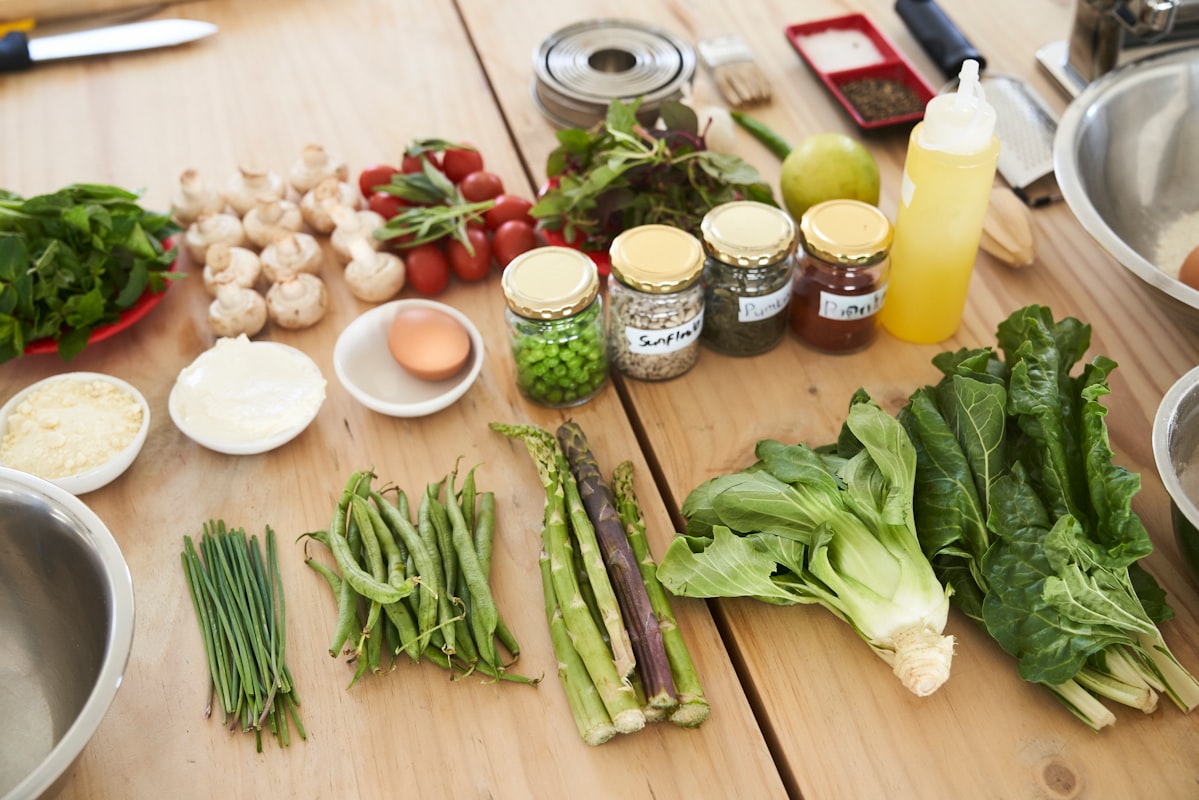
Learning to choose quality ingredients at the right ripeness ensures maximum nutritional value and flavor. Understand seasonal produce, proper storage techniques, and how to build a versatile pantry that supports healthy meal creation throughout the week.
Time Management & Planning
Efficient meal prep requires strategic planning and smart time allocation. Discover how to organize your cooking schedule, batch prepare ingredients, and use kitchen tools effectively to minimize time in the kitchen while maximizing meal variety and nutritional balance.
Balanced Nutrition Planning
Creating meals with proper proportions of proteins, carbohydrates, healthy fats, and fiber is fundamental to sustained wellness. Learn how to structure plates that support your energy levels, recovery, and overall health goals throughout your week.
Cooking Techniques & Methods
Master essential cooking techniques that preserve nutrients and enhance flavor without excessive oil or sodium. From roasting and steaming to grilling and slow cooking, learn which methods work best for different ingredients and meal prep scenarios.
Storage & Food Safety
Proper storage ensures your prepared meals stay fresh and safe throughout the week. Understand container selection, refrigeration best practices, shelf-life guidelines, and how to organize your meals for easy access and rotation without waste.
Sustainability & Consistency
Building a meal prep habit that lasts requires realistic expectations and enjoyable routines. Learn how to stay motivated, prevent boredom with variety, adapt recipes to seasonal ingredients, and integrate meal prep into your lifestyle for long-term wellness success.
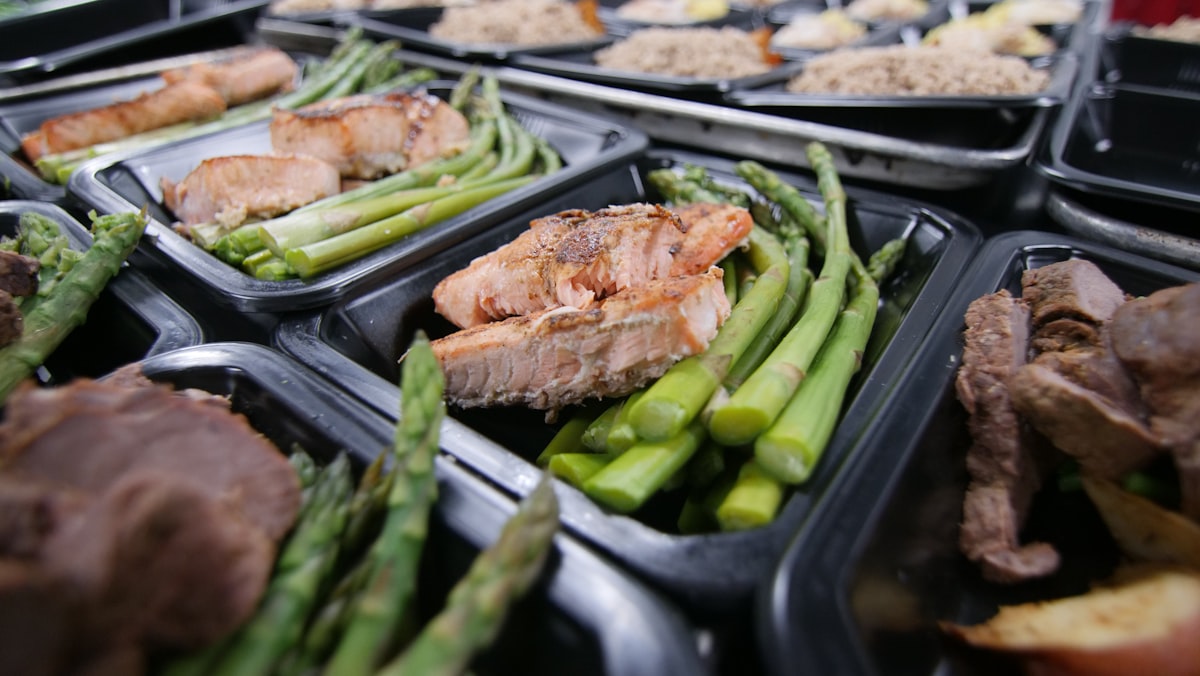
Why Meal Prep Matters for Your Wellness Journey
Meal preparation is more than a kitchen task—it's a fundamental practice that supports your overall wellness. When you take control of what you eat, you make intentional choices about your nutrition rather than defaulting to convenience options that may not align with your health goals.
- Consistency: Prepared meals ensure you maintain steady nutrition throughout the week, supporting stable energy levels and better daily performance.
- Cost Efficiency: Planning and batch cooking reduce food waste and allow you to purchase in bulk, making healthy eating more affordable long-term.
- Time Savings: Dedicating a few hours weekly to meal prep saves significant time daily, eliminating the stress of last-minute meal decisions.
- Mindful Eating: When meals are prepared consciously, you're more aware of ingredients and portions, supporting a deeper connection to your nutrition.
The 5-Step Meal Prep System
A structured approach to making meal preparation simple, efficient, and sustainable
Plan Your Week
Assess your schedule and lifestyle needs. Decide how many meals you'll prep, which recipes align with your goals, and create a detailed shopping list organized by store sections to streamline grocery shopping.
Shop Smart
Purchase seasonal, quality ingredients that form the foundation of your meals. Focus on whole foods—fresh vegetables, lean proteins, whole grains, and healthy fats. Consider storage life and versatility when selecting items.
Prep Ingredients
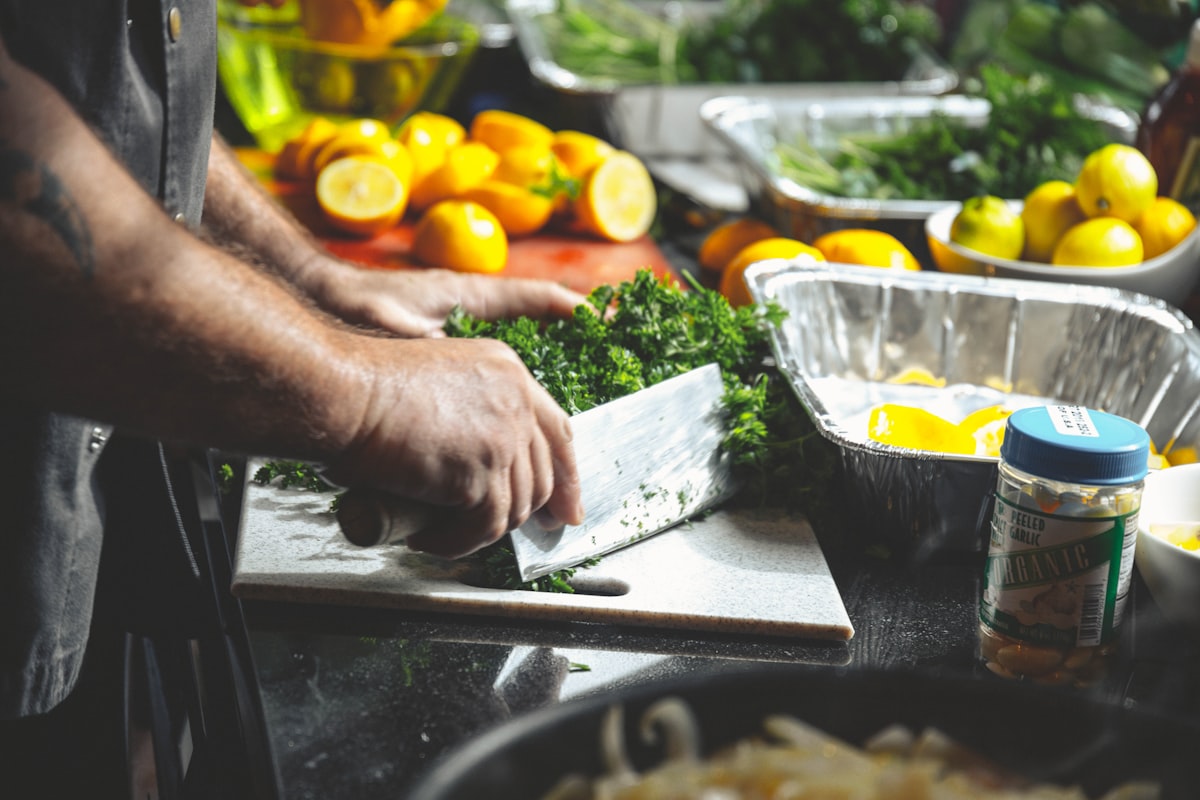
Wash, chop, and portion ingredients efficiently. Batch prepare components like grains, proteins, and vegetables. This step significantly reduces cooking time when you're assembling actual meals throughout the week.
Cook & Combine
Use complementary cooking methods to prepare multiple dishes simultaneously. Combine prepared ingredients into balanced meals, ensuring proper proportions of proteins, vegetables, and carbohydrates for each container.
Store & Enjoy
Cool meals before storing in sealed containers. Label with dates and contents. Throughout the week, reheat or enjoy chilled as appropriate. Track what works well for future meal planning improvements.
Real Stories From Our Community
Learn how others have transformed their relationship with food through structured meal preparation
Alexandra M.
Cluj-Napoca
"I used to skip meals or grab unhealthy options because I didn't have time to cook. After learning the meal prep system, I dedicate Sunday afternoons to preparing my week. Now I have nutritious meals ready, I've saved money, and I actually enjoy eating again. The consistency has made a real difference in my energy levels."
Călin T.
Bucharest
"As someone who works long hours, meal prep has been life-changing. I used to stress about what to eat and often made poor choices. Now, I prepare healthy meals in advance, which supports my active lifestyle. The structured approach taught me so much about nutrition and ingredient quality that I've become a better cook overall."
Cristina B.
Timișoara
"The balanced nutrition planning aspect really helped me understand portion sizes and ingredient combinations. I started meal prepping to support my fitness routine, but discovered it's so much more—it's about building sustainable habits. I feel healthier, more organized, and genuinely look forward to my meals now."
Diana L.
Iași
"Learning proper food storage and safety made me feel confident about meal prepping. I no longer worry about food spoilage or whether meals are safe to eat after several days. The system is simple, and I've actually discovered I enjoy the process. It's become my favorite part of the week."
The Impact of Meal Preparation
See how structured meal prep compares to ad-hoc eating patterns
| Aspect | Without Meal Prep | With Meal Prep |
|---|---|---|
| Daily Nutrition | Inconsistent; relies on impulse choices and convenience foods | Balanced and intentional; planned macronutrient distribution |
| Time Spent Cooking | 30-60 minutes daily on meal decisions and cooking | 2-3 hours weekly; minimal effort on busy days |
| Food Cost | Higher; frequent takeout and impulse purchases | Lower; bulk purchasing and reduced waste |
| Energy Levels | Fluctuates; inconsistent nutrition affects performance | Stable; consistent nutrition supports sustained energy |
| Meal Variety | Limited; often defaulting to familiar restaurants | Diverse; planned variety prevents boredom |
| Food Waste | Significant; spoiled ingredients and uneaten meals | Minimal; intentional purchasing and usage |
| Stress Level | Higher; constant decisions about what to eat | Lower; meals already planned and ready |
| Wellness Progress | Difficult to track; inconsistent eating patterns | Measurable; control over ingredients and portions |
Common Questions About Meal Prep
Everything you need to know to get started with meal preparation
Most people spend 2-4 hours weekly on meal preparation, typically batching their cooking into one session (often Sunday). The exact time depends on how many meals you're preparing, recipe complexity, and your kitchen efficiency. Many find that as they develop routines, the process becomes faster and more streamlined. The weekly investment typically saves 30-60 minutes daily on cooking and meal decisions throughout the week.
Most properly stored prepared meals remain fresh for 3-4 days in the refrigerator. For meals you want to keep longer, freezing extends shelf life significantly—frozen meals typically last 2-3 months. Many people prepare meals for 3-4 days and freeze additional portions for later weeks, creating a rotating system. Proper containers, cool storage temperatures, and careful labeling with dates ensure food safety and quality throughout storage periods.
Basic meal prep requires minimal equipment: sharp knives, cutting board, pots, pans, mixing bowls, and storage containers. Optional but helpful items include a food processor (for chopping large quantities), sheet pans (for batch roasting vegetables), and quality measuring tools. Many beginners worry they need specialized equipment, but the fundamentals—a few good knives, decent cookware, and sealed containers—are sufficient to start. Invest in quality basics rather than numerous gadgets, and upgrade gradually as you discover what suits your cooking style.
Variety is essential for sustainability. Plan 2-3 different main proteins, rotate vegetable selections seasonally, and use different cooking methods (roasted, grilled, steamed) to create different flavors from similar ingredients. Prepare versatile components separately rather than fully combined meals—for example, cook rice, grilled chicken, and roasted vegetables separately, then combine them differently throughout the week. Experiment with various seasonings, sauces, and dressing to transform the same base ingredients into distinct meals. Planning recipes in advance helps ensure you're not eating identical meals every day.
Absolutely. Meal prep principles work for any eating preference—vegetarian, omnivore, plant-based, or any other approach. The fundamentals remain the same: plan balanced meals, shop intentionally, prepare ingredients efficiently, and store properly. What changes is the ingredient selection. Someone following a plant-based approach might focus on legumes, tofu, and diverse vegetables, while others might emphasize different proteins. The system itself is flexible and adaptable to whatever nutritional approach you choose.
Start small—prepare just 2-3 meals for the week. Focus on one or two simple recipes with basic ingredients. As you gain confidence, gradually increase complexity and variety. Our beginner classes are designed to help you build essential skills at your own pace.
What Our Students Say
"Balanced Food Class transformed how I approach nutrition. The instructors are knowledgeable and supportive, making it easy to learn and implement healthy habits into my daily life."
Sarah M.
Los Angeles, CA
"I struggled with meal planning for years. This class gave me practical tools and confidence. Now I meal prep like a pro and save time and money every week!"
James T.
New York, NY
"The community is wonderful! I've made friends while learning to cook healthier meals. It's not just about food—it's about building a sustainable lifestyle."
Emily R.
Seattle, WA
"As a busy parent, I needed realistic solutions. Balanced Food Class provided exactly that—simple, nutritious recipes that my whole family loves."
Jessica P.
Chicago, IL
Ready to Transform Your Nutrition?
Join hundreds of students who have improved their health and fitness through balanced nutrition and smart meal planning.
First class is free • No credit card required • Cancel anytime