
Transform Your Health with Simple Meal Prep
Learn the fundamentals of meal preparation that work with your lifestyle. Discover proven strategies to build sustainable eating habits and achieve your wellness goals with ease.
- Master basic meal prep techniques for busy schedules
- Understand nutrition fundamentals for balanced eating
- Build lasting healthy habits through practical guidance
The information on this site is for educational purposes only and does not constitute medical advice. Always consult a qualified healthcare professional before making health decisions.
Why Meal Prep Matters for Your Goals
Meal preparation is more than just cooking ahead—it's a strategy that empowers you to take control of your nutrition and support your wellness journey with confidence and consistency.
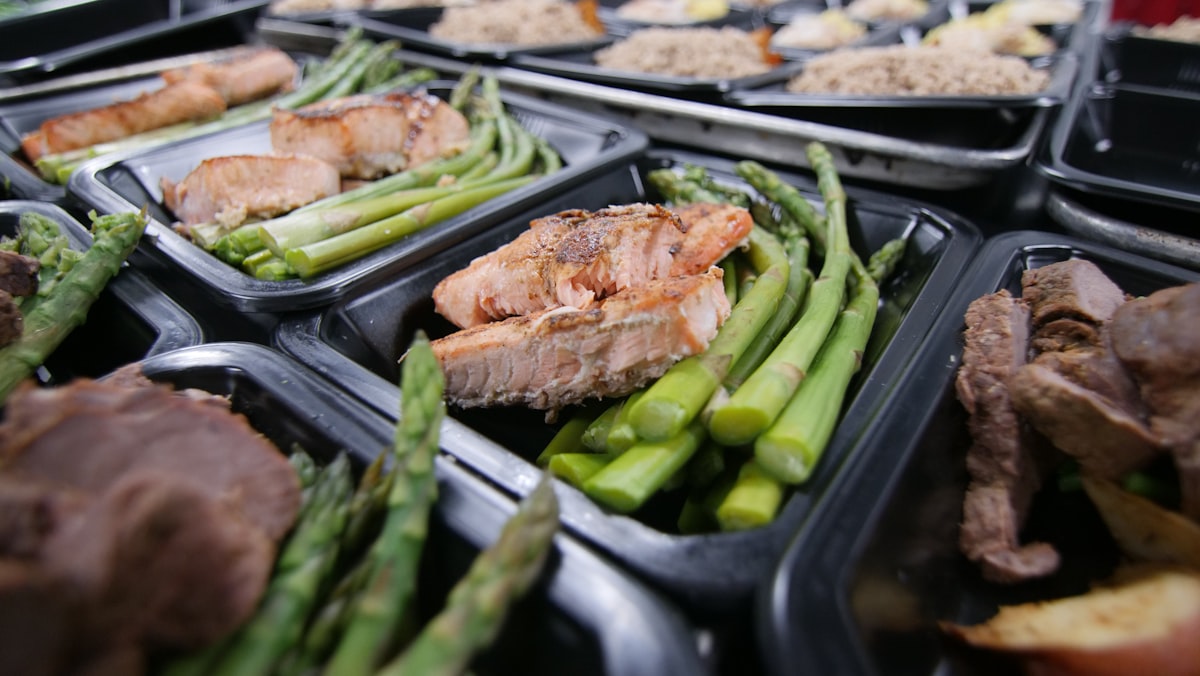
Save Time During the Week
Dedicate a few hours on the weekend to prepare ingredients and meals, freeing up time for other priorities during your busier weekdays.
Make Mindful Food Choices
When nutritious meals are ready to eat, you're less likely to reach for convenient processed options and more likely to stick to your eating intentions.
Support Consistent Progress
Regular meal preparation creates predictability in your eating patterns, helping you maintain the consistency needed to reach your wellness objectives.
Reduce Food Waste and Costs
Planned meals mean buying only what you need, reducing waste and helping your grocery budget stretch further each month.
Essential Meal Prep Tools & Containers
The right tools make meal preparation easier, faster, and more enjoyable. Here are the basics every home cook should consider.
Glass Meal Prep Containers
Durable, reusable glass containers preserve food quality and are easy to clean. Look for microwave-safe, oven-safe options with secure lids for versatile storage and reheating.
- Dishwasher safe for easy cleaning
- Transparent for easy meal visibility
Sharp Knives and Cutting Boards
Quality knives reduce prep time and make cutting vegetables safer and more precise. Use separate cutting boards for vegetables, proteins, and grains to maintain organization.
- Sharp blades for efficient chopping
- Multiple boards prevent cross-contamination
Sheet Pans and Baking Trays
Sheet pans are ideal for batch-cooking vegetables and proteins. They're versatile, affordable, and help you prepare multiple components simultaneously.
- Efficient for roasting vegetables and proteins
- Easy to clean and store
Food Processor or Blender
These appliances speed up prep work like chopping, mincing, and blending. A food processor handles vegetables quickly, while a blender is perfect for smoothies and sauces.
- Saves significant prep time
- Creates consistent texture and size
Slow Cooker or Instant Pot
Batch-cooking equipment allows you to prepare large quantities of soups, stews, and grains with minimal active effort. Set it and forget it while you handle other tasks.
- Hands-off cooking for busy schedules
- Perfect for batch cooking grains and legumes
Kitchen Scale and Measuring Tools
Accurate measuring helps you understand portion sizes and plan your meals more effectively. A simple kitchen scale provides precision without complicated math.
- Helps understand actual portion sizes
- Digital scales for accuracy and ease
5-Step Meal Prep Framework
Follow this proven process to set up your meal preparation routine and build sustainable healthy eating habits.
Plan Your Week
Decide which meals you'll prepare, check your calendar for busy days, and list the ingredients you'll need. This foundation prevents impulse decisions and ensures variety.
Shop Strategically
Use your meal plan to create a shopping list organized by section. Buy fresh produce and proteins, then rotate any frozen or shelf-stable items at home.
Prep Components
Wash, chop, and cook individual components like grains, proteins, and vegetables. Keep them separate so you can mix and match throughout the week for variety.
Assemble and Store
Combine your prepped components into containers following proper food safety guidelines. Label with dates and store at appropriate temperatures for maximum freshness.
Enjoy and Adapt
Track what worked well and what you'd change next week. Listen to your body and adjust portions, ingredients, or prep methods based on what you've learned.
Success Stories from Our Community
Real people share how meal prep education has transformed their approach to nutrition and wellness.
"
I've always struggled with consistent eating habits because I'd get overwhelmed with cooking. The meal prep framework showed me how to break everything into manageable steps. Now I spend about two hours on Sunday and have nutritious meals ready all week. It's completely changed how I approach food without feeling restrictive.
Alexandra Popescu
Bucharest, Romania
"
As a busy professional, I was always buying takeout and feeling guilty about my food choices. This program taught me that meal prep doesn't mean eating the same boring meals. I learned how to prep components separately and combine them differently each day, which keeps things interesting while staying organized and healthy.
Mihai Ionescu
Cluj-Napoca, Romania
"
I wanted to build healthier eating habits but didn't know where to start. The foundational content about meal planning and food storage was exactly what I needed. What impressed me most was learning why each step matters, not just following instructions. Now I feel confident making adjustments based on what I learn about my own needs.
Cristina Georgescu
Timișoara, Romania
"
The practical guidance on tools and storage changed everything for me. I used to waste so much food because I'd prepare meals that didn't stay fresh. Understanding which containers to use and how to store different foods properly means less waste and more savings. Plus, the recipe ideas helped me use ingredients I already have at home.
Daniel Radu
Iași, Romania
Common Questions Answered
Find answers to common questions about meal preparation and building sustainable eating habits.
The time required depends on how many meals you're preparing and your experience level. Most people spend 2 to 4 hours on a weekend session to prepare components for the entire week. As you develop your routine and learn efficient techniques, you may find you can do it faster. Many people find that investing this time upfront saves them 15-20 minutes daily during the week, making it a worthwhile trade.
Properly stored cooked meals typically stay fresh in the refrigerator for 3-4 days. However, this varies based on the type of food, storage method, and temperature. Soups and grains often last longer, while dishes with raw vegetables may not keep as long once mixed. That's why many people prefer preparing components separately and assembling meals fresh each day. Always use airtight containers and store at the proper temperature. If you want meals that last longer, consider freezing portions for later use, which can extend shelf life to several weeks.
Many people worry that meal prep means eating the same thing repeatedly. The key is preparing components separately rather than fully assembled meals. For example, you might prep grilled chicken, roasted vegetables, and cooked quinoa. Then you can combine them differently each day with different seasonings or sauces. This approach provides consistency and organization while keeping meals interesting. You can also rotate different recipes throughout the month to maintain variety and discover new flavors and cooking methods.
Start simple with a basic framework: choose 2-3 protein sources, 2-3 vegetable options, and 1-2 grains for the week. This limited palette is easier to shop for and cook, but still provides variety when combined differently. You don't need 7 completely different meals. Also consider using appliances like slow cookers to hands-off cooking that requires minimal active preparation. Batch cooking during times you do have availability makes it manageable even during hectic weeks. The goal is creating a sustainable system that fits your actual life, not a perfect plan you can't maintain.
Proper storage and labeling are essential. Always store meals in airtight containers at 40°F or below, and label them with the preparation date. Use your senses: if food smells off, looks discolored, or has an unusual texture, don't eat it. Generally, cooked meals are safe for 3-4 days when properly refrigerated. Some foods spoil faster than others—pay special attention to meals containing seafood, which should typically be eaten within 2-3 days. When in doubt, freezing meals extends their safety and freshness by weeks. Developing good labeling and dating habits removes guesswork.
Meal prep doesn't have to be all-or-nothing. You might prep just breakfasts, or just snacks, or just components like pre-cut vegetables. Some people prep for 2-3 days instead of a full week. Others focus on meal planning and grocery shopping without extensive cooking. The core principle is taking intentional steps toward your eating goals based on your actual circumstances. Consistency matters more than perfection—a small, sustainable routine beats an ambitious plan you abandon after two weeks. Experiment with different approaches to find what works for your life.
Ready to Master Meal Prep?
Explore our collection of practical guides, recipes, and tips to build a meal prep routine that works for your lifestyle and goals.